
How to Interview Someone About a Hard Experience
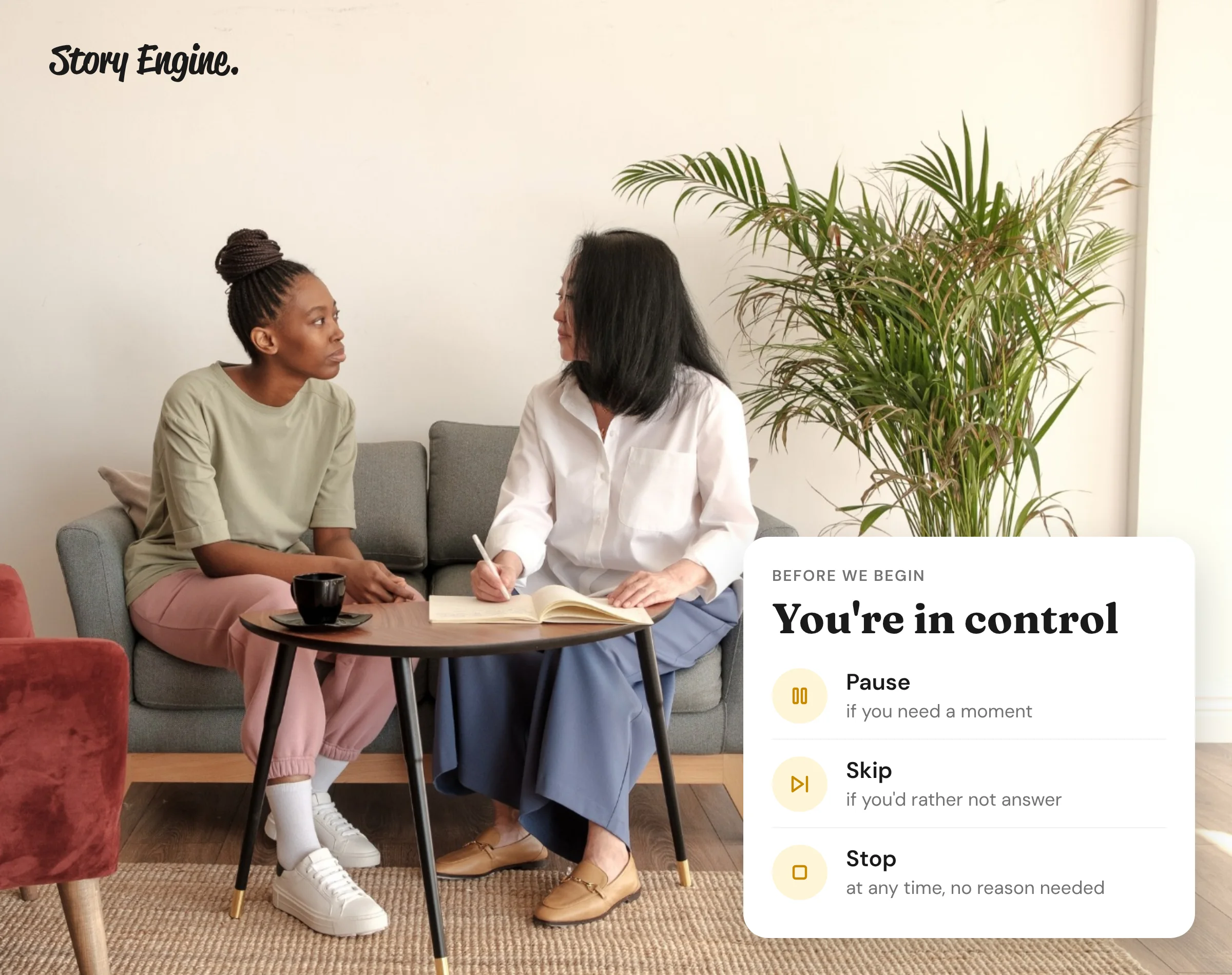
To interview someone about a difficult experience, make sure they feel free to say no, explain how their story will be used, let them set the limits, ask open questions that follow their lead, and plan for distress. Good sensitive interviewing gives the person control over what they share and when they can stop.
See how Story Engine guides sensitive interviews from setup to consent.
This guide will help you prepare for, conduct, and close a sensitive interview in a way that respects the storyteller's dignity and wellbeing. It covers preparation and consent, setting comfort and limits, trauma-aware question techniques, handling distress, and what to do after the interview.
A note before you begin
This guide wasn't written by trauma specialists, therapists, lawyers, or safeguarding professionals. It draws on published guidance from organizations with that expertise, which we name throughout and list at the end. It is not a substitute for trained support, your organization's safeguarding policies, or qualified legal advice.
If the experience you want to ask about involves abuse, violence, serious illness, immigration status, or other sensitive issues, we strongly encourage you to consult your own safeguarding lead, legal counsel, or a trauma-informed practitioner before you begin. The same applies to any interview with a child.
Why sensitive interviews need a different approach
Asking about hard experiences is not harmful in itself. A 2015 meta-analysis of people who took part in trauma research found that talking about trauma can cause some distress in the moment, but that distress was not extreme, and most people found taking part positive and did not regret it.
People with a trauma history or PTSD symptoms did report more distress, so how the conversation is handled matters: who controls the pace, what choices the person is offered, and whether they feel respected throughout.
For nonprofit staff, there are two more things to keep in mind:
- The person may not feel free to say no. Bond's ethical storytelling guidelines point out that people asked to share their stories are likely to feel obliged because of their existing relationship with the organization. If someone relies on your services, make it clear that saying no will not change the help they get, now or later.
- The story may be shared publicly. The person carries any consequences long after the interview ends. That is why consent, pacing, and the right to stop are not just courtesies. They are the foundation of the whole process.
How to prepare before the interview
Before you send an invite:
- Ask whether you need this story at all. Write down what you want to learn and why. Be honest about whether this person's story serves them and their community or mainly serves your organization's goals. Sometimes the right answer is a different kind of story.
- Think about timing. Someone in the middle of a crisis, or just out of one, may not be able to weigh what sharing their story could mean for them later. Bond's guidelines warn that people in shock can agree in a moment of desperation.
- Talk to people who know them. A caseworker or staff member who works closely with the person can tell you what topics to avoid and whether now is a good time.
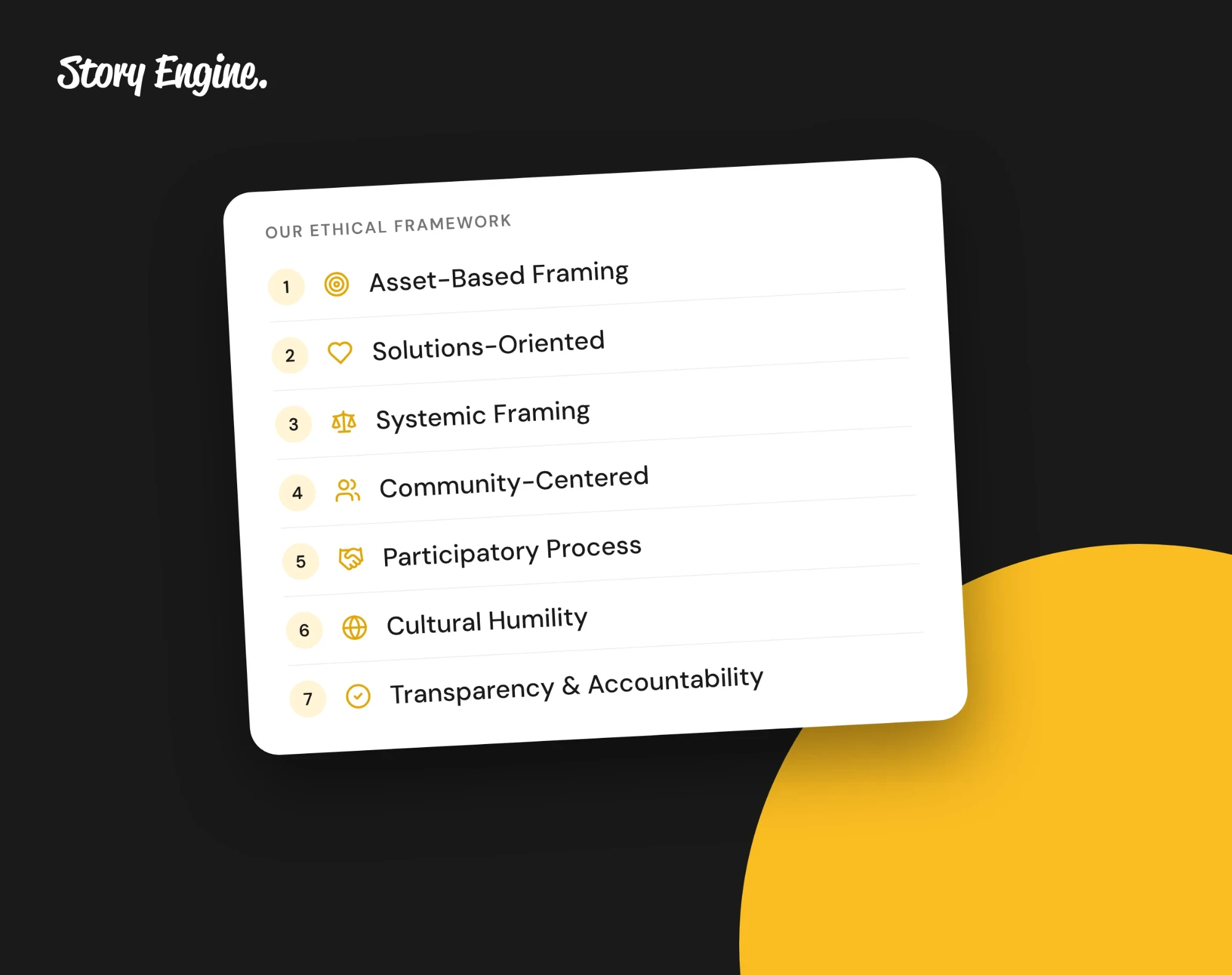
- Read your ethical storytelling guidelines and check that your questions fit them.
- Prepare your consent process. Know what you are asking permission for, how the story will be used, and how the person can withdraw later. The storyteller consent form guide covers what to include.
- Have support ready. Know which crisis line or local service you will point to if the conversation becomes too much, and who on your team the person can talk to afterward.
When you first reach out, tell the person what the interview is about, so their consent is informed from the start. Let them choose the time and place, allow extra time, and offer them the option to bring someone with them, like a friend, family member, or staff member they trust.
If the person is a child, follow your organization's child safeguarding policy. That usually means a parent or guardian's consent as well as the child's own agreement, and never interviewing a child alone: Bond's guidelines say there should always be more than one adult present.
How to set comfort and limits at the start
Before you ask a single question about their experience, cover these things:
- What the interview is for and how their story may be used. Be specific: a report, a donor email, social posts.
- Their right to skip any question or stop the interview at any time, with no explanation needed.
- Their right to withdraw consent later, and how to do that.
- What support is available if the conversation becomes difficult.
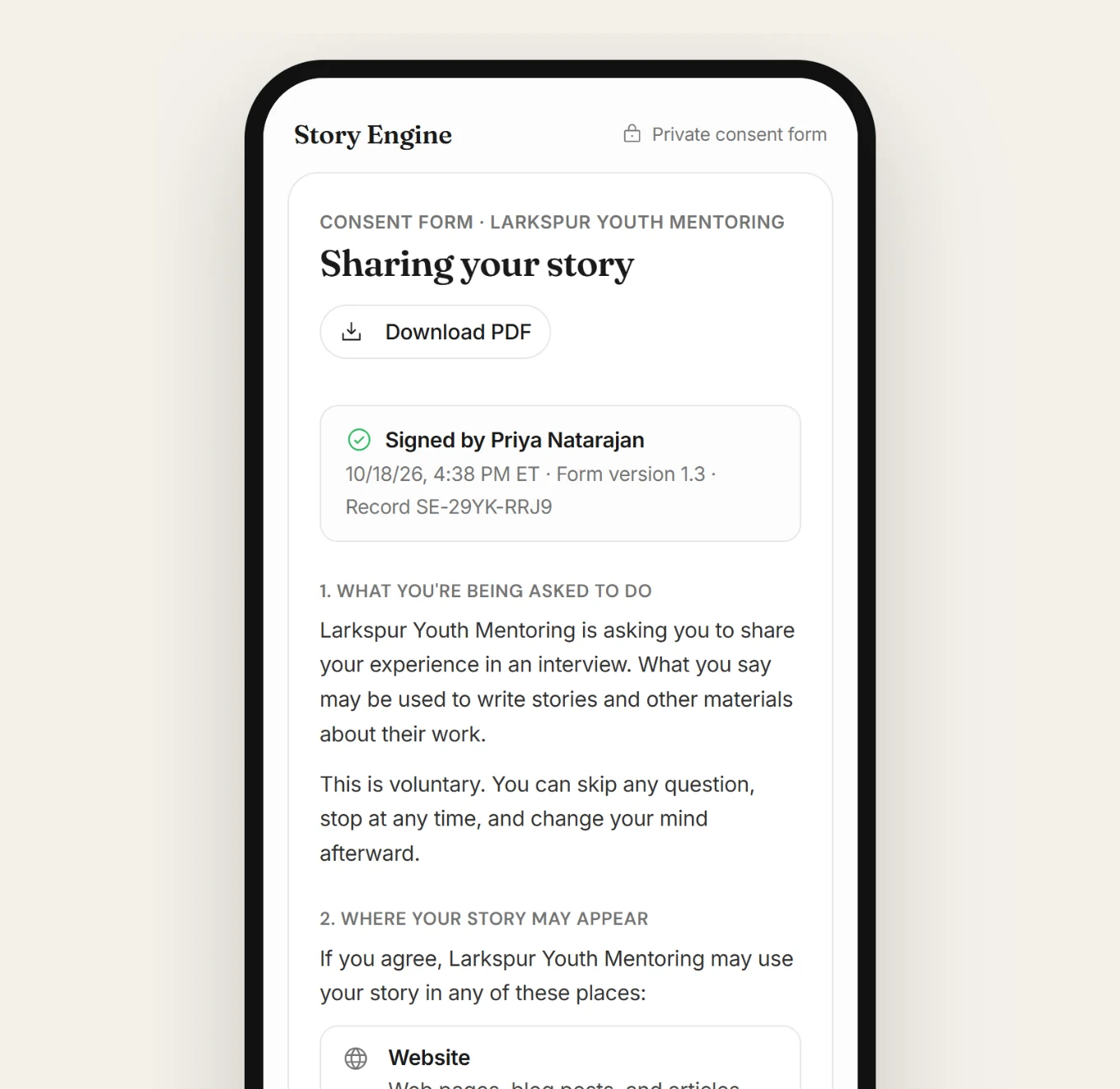
Then ask two questions: "Is there anything you'd rather not talk about?" and "Do you have any questions before we start?" If they name a topic, leave it out, even if it seems central to the story.
Trauma-aware question techniques
Trauma-aware interviewing does not mean avoiding difficult questions. It means asking them in a way that follows the person's lead rather than pushing past their limits.
- Don't start with the hardest question. Begin with something easier, such as how they first connected with your organization, and let them build up to the difficult part in their own time.
- Don't ask "How do you feel?" The Journalist's Resource says survivors consistently name it as the most distressing question. Better options include "How are you now?" or "How did you experience that?"
- Never say "I know how you feel" or "I understand." You don't, and they know it. "Thank you for telling me" is honest and kind.
- Use open questions. "What was that like for you?" invites the person to decide what to share. "It must have been terrible" shapes the story before they have told it.
- Follow, don't lead. Ask about what the person has just said. If they mention fear, you can ask about fear. If they don't mention it, don't introduce it.
- Don't push for graphic detail. You do not need it to tell a meaningful story. If a person has told you enough for the story to work, stop there.
What to do if someone becomes distressed
Tears are not always a sign that you should stop. Bond's guidelines note that ending an interview because someone is upset can send the message that it is wrong to become emotional, and some people are grateful for the chance to talk. What matters is that the person decides.
When it happens:
- Pause. Say something simple, like "Take all the time you need."
- Offer choices: take a break, skip this question, or stop for today.
- If they want to stop, stop. Do not negotiate or ask "just one more."
- Don't try to counsel them. Your job is to listen, stay calm, and point them to the support you prepared.
- If they seem to be in crisis, share the crisis line or service you prepared. If anyone is in immediate danger, contact emergency services.
What to do after the interview
- Follow up. A short message the next day checking how they are also gives them a natural moment to tell you if they want to change or withdraw anything they said.
- Show them the story before it is shared. Give them the chance to check their quotes and how they are described, and to change their mind about being included.
- Look after yourself. Hearing about someone's hardest moments can affect you too. The Journalist's Resource advice for journalists applies here: know your limits, take breaks, talk to a colleague who is a good listener, and seek counseling if you feel overwhelmed.
How to run a sensitive interview in Story Engine
AI interviewers are consistent, but they can’t read distress or respond to it. For interviews about trauma, abuse, grief or similar experiences, a trained person is the safer choice. Careless questions can retraumatize someone.
If you use the AI interviewer, Story Engine builds in safeguards:*
- No surprises. Ellie asks only the questions you approve, with no follow-ups.
- Support on hand. With Sensitive topic on, the 988 Lifeline and the Crisis Text Line are shown before and during the interview.
- The person stays in control. They sign a consent form, can skip any question or stop at any time, and approve everything before you see it.
*Story Engine is built on AI, and AI can make mistakes.
The duty of care still stays with your team. Choose questions that never ask for graphic detail, and decide ahead of time how you’ll follow up if an answer worries you.
Here is how to set up an interview in Story Engine:
1. Create the interview
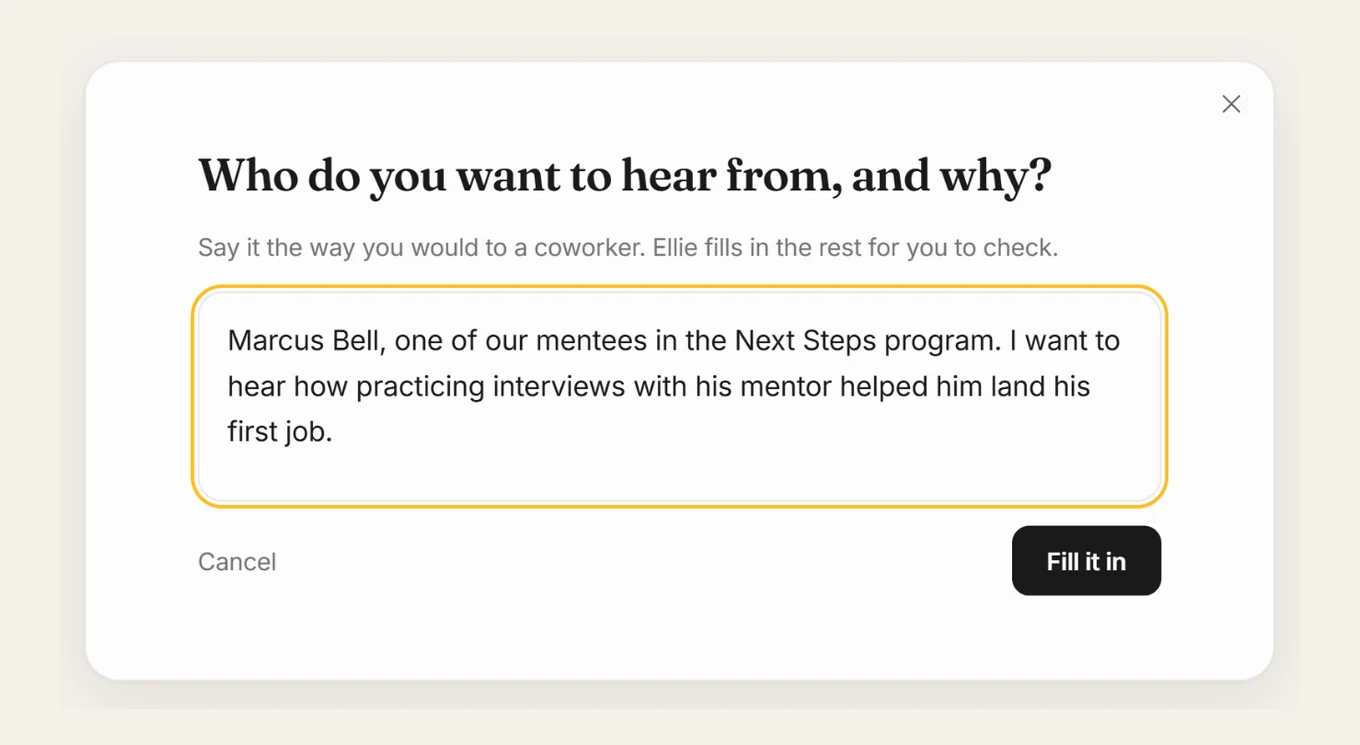
Go to Interviews in the left menu and select New interview, then From one person. In the box, describe who you want to hear from and why, the way you would explain it to a coworker. Press Fill it in and Ellie will draft a two-sided setup page for you to review.
2. Check the Sensitive topic switch
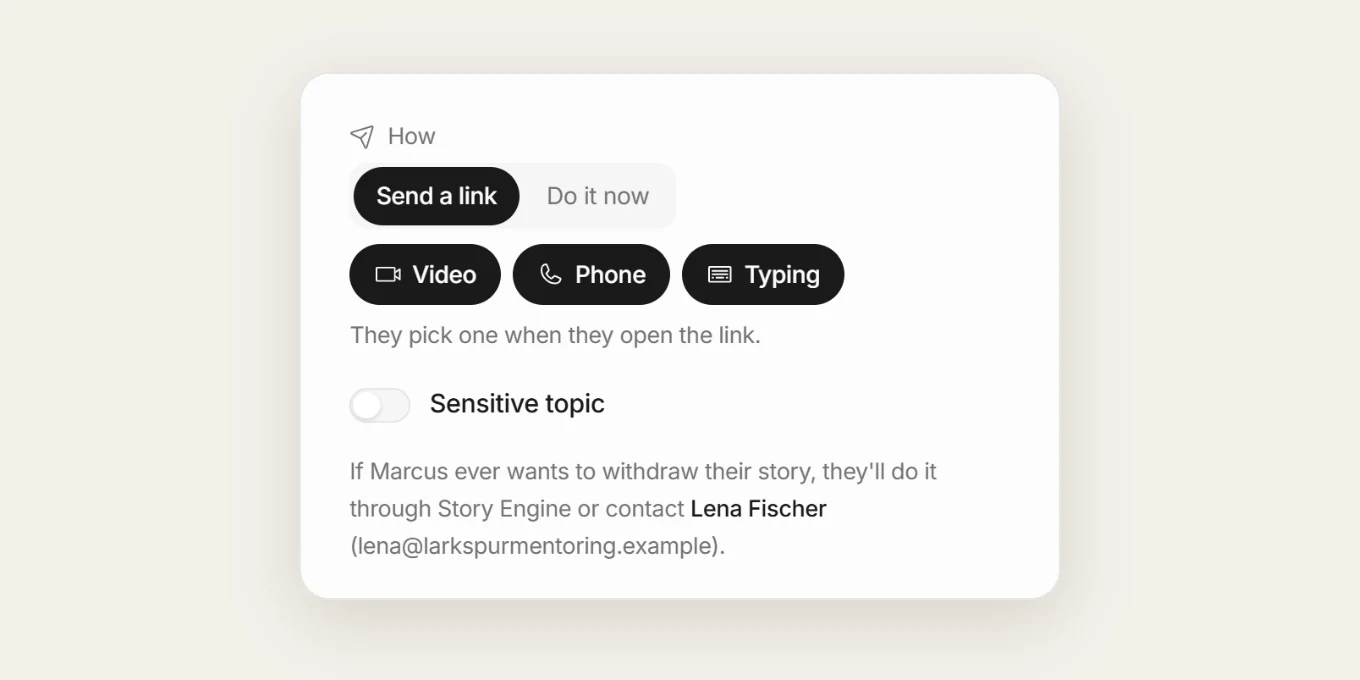
On the right side of the setup page, find the Sensitive topic switch. Ellie turns it on automatically for some topics, but she can miss one, so always check it yourself. When it is on, the 988 Lifeline and the Crisis Text Line are shown clearly to the person before and during the interview.
3. Review and edit the questions
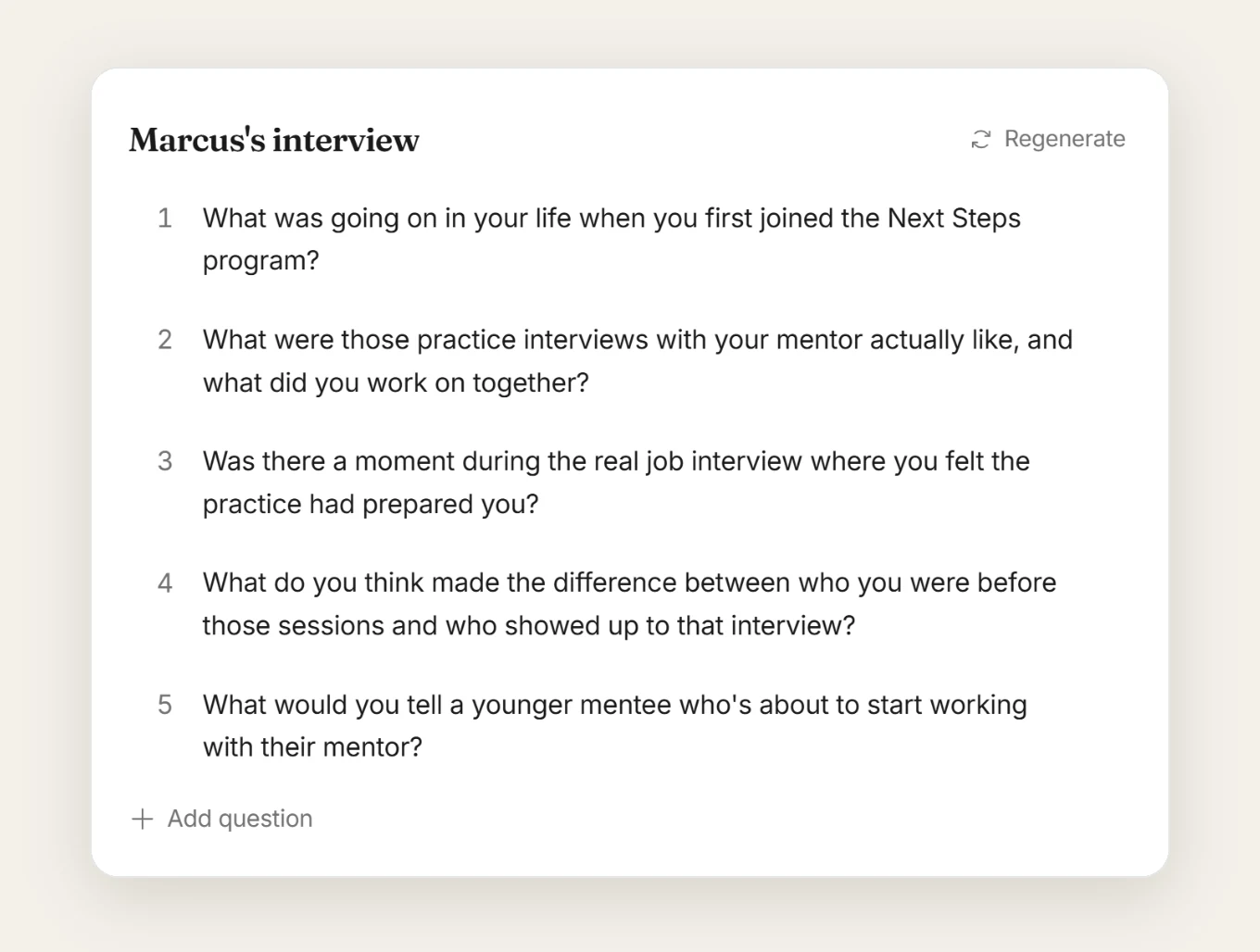
The questions appear on the left side of the setup page. Read each one with the person in mind. You can edit any question, delete one that feels off, or use Add question to include your own.
You can also change the order of the questions or select Regenerate if you want Ellie to try again. Ellie asks only the questions you approve. She does not ask follow-up questions, so nothing comes up that you have not checked first.
4. Set how the person can respond
On the right, under How, choose Send a link so they can answer on their own time, then turn on Video, Phone, and Typing. With more than one turned on, the person picks when they open the link. For sensitive topics, letting the person choose gives them one more point of control.
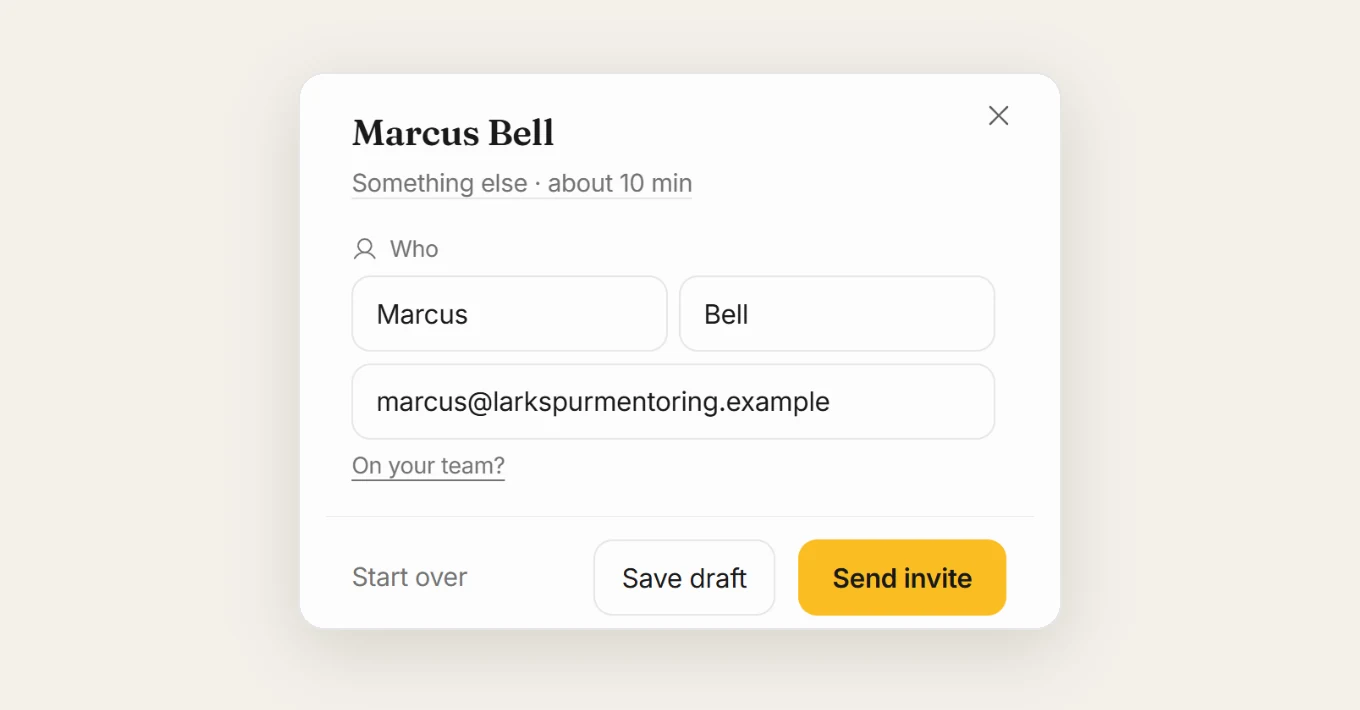
5. Send the invite and confirm the consent contact
Press Send invite. The first time your team sends an interview, Story Engine will ask you to confirm who the person contacts to withdraw consent if they don't want to do it through Story Engine, or in case your team ever decides to leave Story Engine.
This is saved to Settings › Team under Consent and checks, and you can update it there any time.
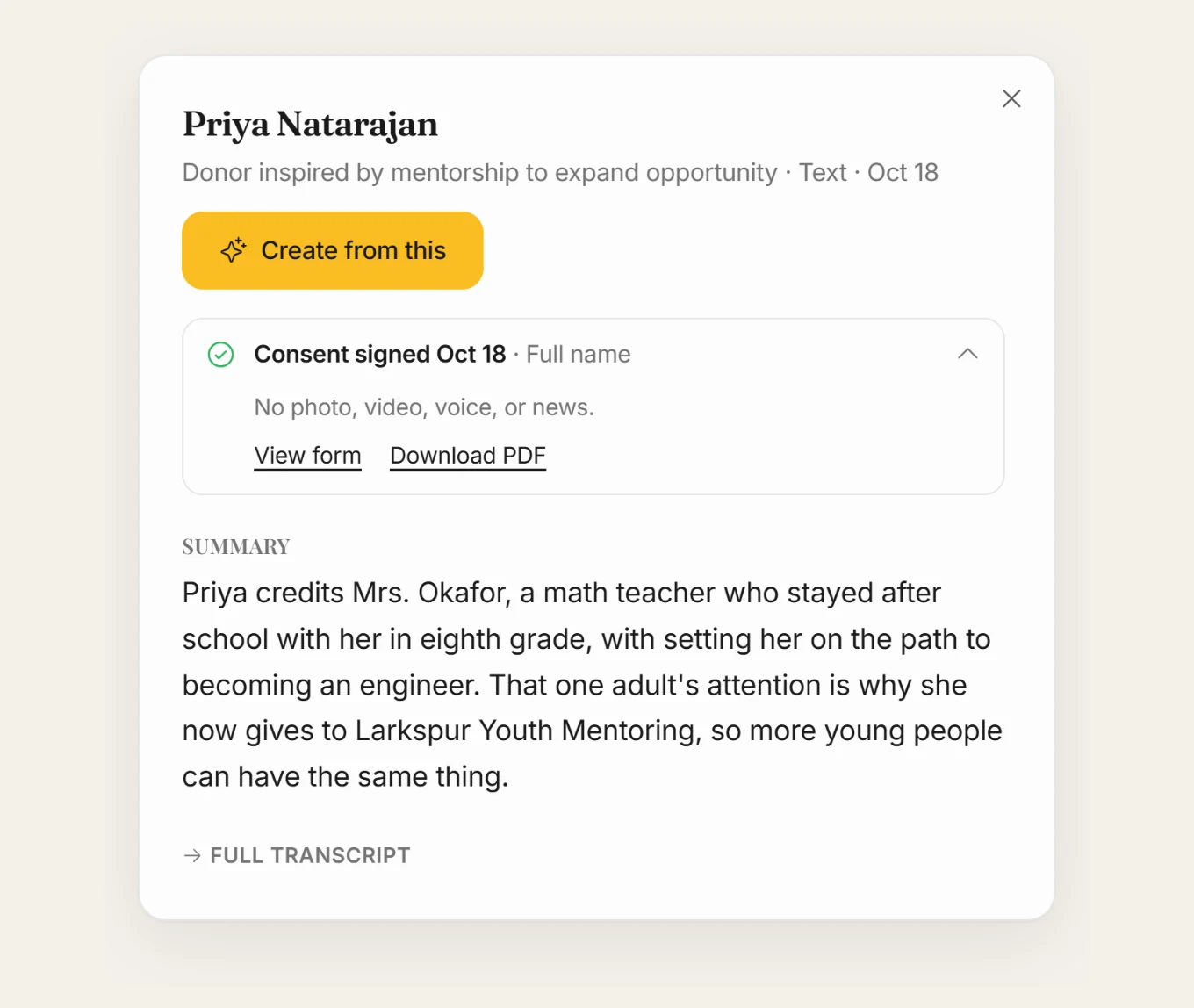
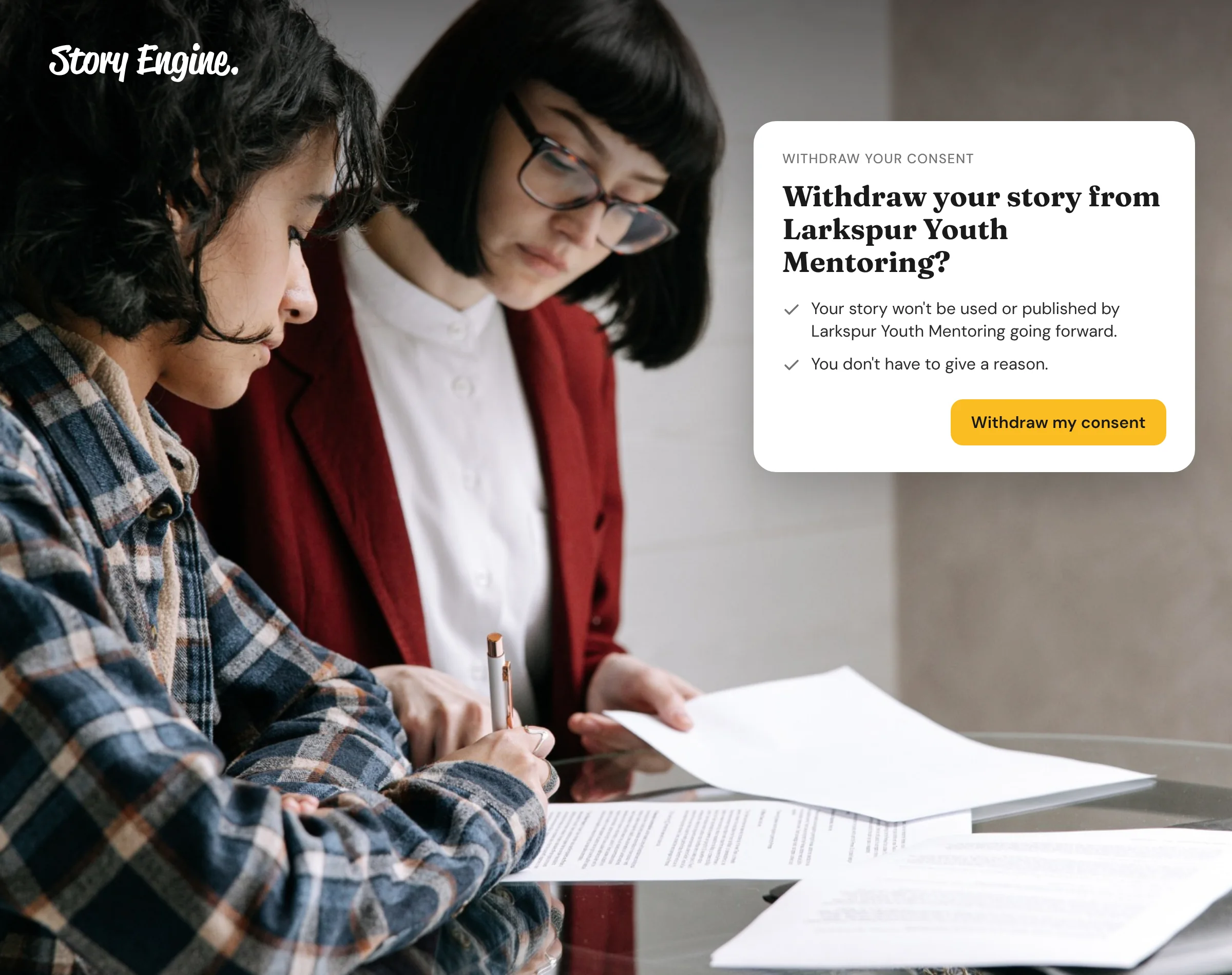
The person signs a consent form before the interview begins, and they can withdraw consent later from the link in their consent email, or by contacting you directly. You can mark consent withdrawn or restore it from the interview's row menu (the ⋯ on its row).
6. Review before anything is shared
The person can skip any question or stop at any time. Before they approve, they see a summary and their full transcript, and they can redo any answer or the whole interview. You see nothing until they approve it. When the interview comes in, select Create from this to start turning it into content.
Frequently asked questions
Do I need written consent for a sensitive interview?
We recommend it. Written consent is the clearest record that the person understood how their story would be used and agreed to it. Rules vary by place and situation, so check with your own legal counsel. In Story Engine, the person signs a consent form before the interview begins, and a copy is emailed to them with a link they can use to withdraw consent later.
What if the person wants to change their story after the interview?
Let them. In Story Engine, the person reviews their transcript before approving it and can redo any answer. After approval, they can still withdraw consent from the link in their consent email, or your team can mark it withdrawn from the interview's row menu. See the guide on handling consent withdrawal after publishing for what to do if content is already live.
How do I know if a topic counts as sensitive?
If the experience involves loss, trauma, discrimination, poverty, health, violence, or anything the person might not share in ordinary conversation, treat it as sensitive. In Story Engine, Ellie will often turn the Sensitive topic switch on automatically, but always check it yourself before sending the invite.
Should I interview someone soon after a crisis?
Usually, no. People who have just been through something traumatic may still be in shock and may not be able to weigh what sharing their story could mean for them later. If you do go ahead, keep the story anonymous and talk to someone who knows the person well first. In Story Engine, Send a link lets the person answer whenever they feel ready, and they can redo any answer before they approve.
Can I interview a child about a hard experience?
Only with your organization's child safeguarding policy in place, a parent or guardian's consent, and the child's own agreement. Never be alone with a child during the interview. Many organizations also leave out a child's full name and exact location so they cannot be traced. In Story Engine, choose Do it now under How to run the interview together on your own device, with another adult in the room, and turn on the Sensitive topic switch.
Start with the consent form and the first question
Before you schedule the interview, be sure you have a clear consent process in place. Our guide on what to include in a storyteller consent form can be a helpful place to start. If you want to learn more, we recommend any of the cited resources listed below.
Sources
- Does It Hurt to Ask? A Meta-Analysis of Participant Reactions to Trauma Research (Clinical Psychology Review), 2015
- Putting the people in the pictures first: Guidelines for the ethical production and use of content (Bond), 2024
- Trauma-informed journalism: What it is and why it's important + tips (The Journalist's Resource)
- Trauma-informed reporting 101 (Association of Health Care Journalists), 2024
- Inclusive inquiry: a compassionate journey in trauma-informed qualitative research with GBV survivors from displaced communities
- 988 Suicide & Crisis Lifeline
About the authors

A nonprofit copywriter and partner at Good Creatives.

Founded the agency Good Creatives in 2015, recognized by the American Institute of Graphic Arts.